
Door Handle Feels Loose? What Usually Causes It
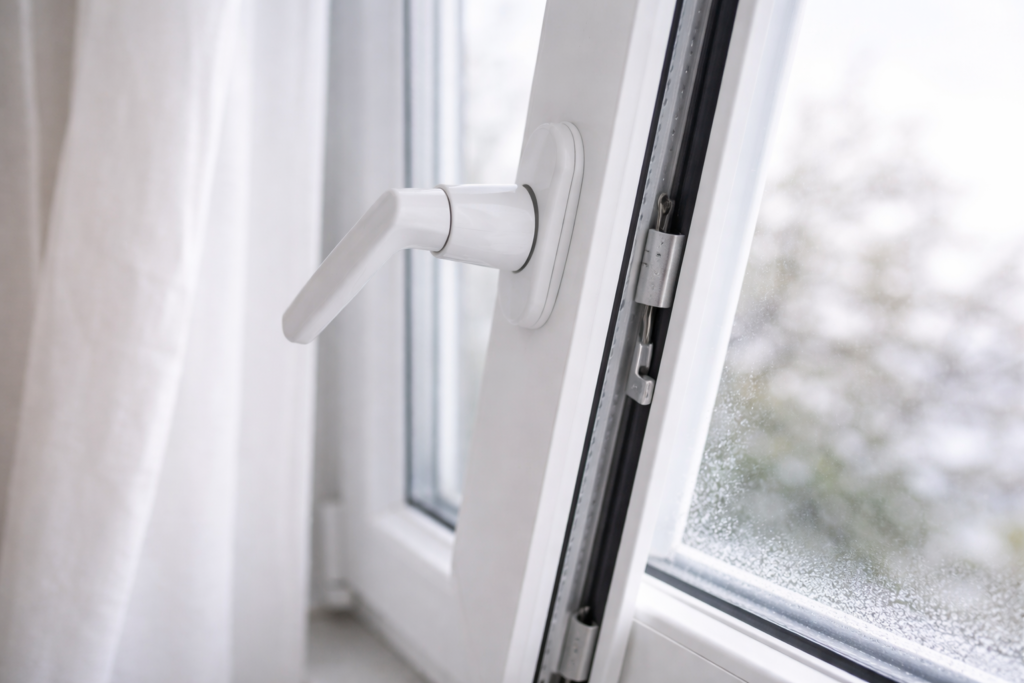
Door Handle Feels Loose? What Usually Causes It
A loose door handle may seem like a minor annoyance, but it is one of those small issues that tends to get worse with continued use. Over time, the handle can become harder to use, affect the latch, or leave the door feeling unreliable.
Common signs of the problem
You may notice:
- The handle wobbles when touched
- It feels unstable or slightly detached
- The latch becomes harder to operate
- The door sometimes does not open or close cleanly
- The problem is getting worse over time
Common causes
A loose door handle is often caused by:
- General wear and tear
- Screws working loose over time
- Internal handle parts wearing down
- Misalignment affecting how the latch works
- Repeated heavy or rough use
Safe things to check first
1. Notice whether the looseness is only in the handle or also in the latch
If the latch is also affected, the issue may involve more than the visible handle.
2. Check whether the handle has become harder to turn
Stiff movement can point to internal wear rather than just a surface fitting issue.
3. See whether both sides are affected
If the handle feels loose on both sides, the problem may be in the central fixing or mechanism.
What not to do
- Do not keep forcing a handle that feels unstable
- Do not ignore a handle that is affecting how the door latches
- Do not assume the problem will stay minor
- Do not continue rough use if the mechanism already feels worn
When to call a professional
It is worth getting help if:
- The handle keeps loosening again
- The latch no longer works properly
- The door becomes difficult to open or close
- The fitting feels unstable or unreliable
- You want a proper repair rather than a temporary fix
Final advice
A loose handle is usually easy to put off, but early repair often prevents more wear on the door and latch. If it is already wobbling or affecting everyday use, it is worth sorting before it becomes a bigger nuisance.
FAQ
Can a loose handle damage the door?
It can contribute to wear around the latch area if left too long.
Why does it keep coming loose?
Repeated use, wear, or internal mechanism issues can all be involved.
Is it urgent if it still works?
Not usually urgent, but it is worth fixing before the problem worsens.
Featured image idea: Interior door handle being checked by hand, with slight visible looseness in the fitting. Recommended size: 1536 × 1024 px (3:2 landscape).
Suggested file name: interior-door-handle-being-checked-by-hand-with-slight-visible-looseness-in-the-fitting.webp
4) Window Not Closing Properly? Common Reasons and Next Steps
Category: Windows & Doors
Suggested slug: window-not-closing-properly-common-reasons
SEO title: Window Not Closing Properly? Common Reasons and Next Steps | Fixender
Meta description: If your window no longer closes properly, there may be a seal, handle, or alignment problem. Learn the common causes and when to get help.
Window Not Closing Properly? Common Reasons and Next Steps
A window that does not close properly can create several problems at once. It may let in draughts, affect security, allow rain or noise through, and make a room less comfortable.
Sometimes the issue is a simple alignment problem. Other times the handle, hinge, or locking mechanism may need professional attention.
Common signs of the problem
You may notice:
- The window does not pull in fully when shut
- The handle feels stiff or does not turn smoothly
- One corner stays slightly open
- The lock no longer catches properly
- There is a visible gap when the window should be sealed
Common causes
A window may not close properly because of:
- Misalignment over time
- Worn hinges or handles
- Faulty locking mechanism
- Debris affecting the closure
- Movement in the frame or sash
Safe things to check first
1. Check whether anything is obstructing the closure
Small debris, dirt, or a trapped part of a blind or curtain can interfere with closing.
2. Notice whether the handle feels normal
A stiff or unusual handle can suggest wear in the mechanism.
3. Compare the fit on all sides
If one side or corner remains open, the issue may be alignment rather than the lock alone.
4. Think about whether the issue appeared suddenly or gradually
A gradual change often points to wear or movement over time.
What not to do
- Do not force the handle or lock aggressively
- Do not leave a poorly closing window unresolved for too long
- Do not assume all closure problems mean full replacement
- Do not ignore gaps that affect weather protection or security
When to call a professional
Get help if:
- The window still will not close properly after basic checks
- The handle or lock feels faulty
- There is a gap affecting insulation or security
- The problem keeps getting worse
- You want the window adjusted or repaired properly
Final advice
A badly closing window is worth dealing with early because it affects both comfort and function. In many cases, a repair or adjustment is enough. If the window is already difficult to secure or seal, it is a good time to get it checked.
FAQ
Can a window become misaligned over time?
Yes. Everyday use and natural movement can affect the fit.
Should I keep using force to shut it?
No. That can make the problem worse or damage the mechanism.
Does a small gap really matter?
Yes. It can affect draughts, weather protection, and security.


