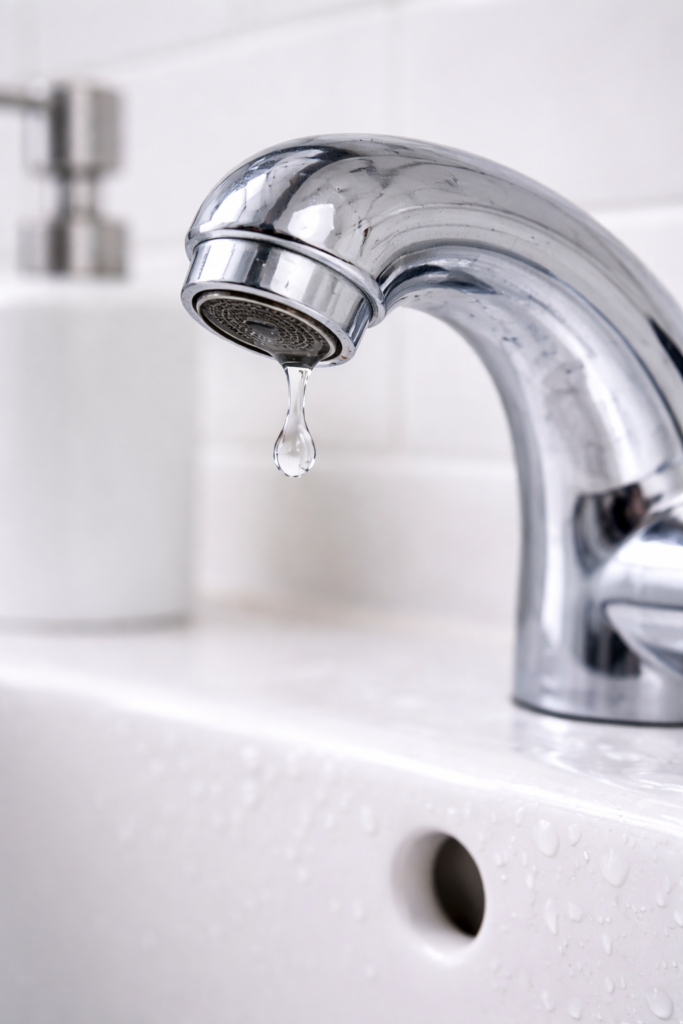
Dripping Tap at Home: Is It a Small Problem or a Bigger One?
A dripping tap is easy to ignore. It may seem minor compared with other household issues, but over time it can waste water, become more irritating, and point to worn plumbing components.
In some cases, the fix is simple. In others, the tap may need new internal parts or replacement.
Why taps start dripping
Common causes include:
- Worn washers or seals
- Cartridge wear in mixer taps
- Limescale build-up
- Loose or ageing internal components
- High water pressure in some systems
The cause depends on the type of tap and how long the problem has been developing.
What you can check first
1. Identify when it drips
Does it drip constantly, only after use, or only from the hot or cold side? That can help narrow down the cause.
2. Look for other signs of wear
Check whether the handle feels loose, stiff, or difficult to turn off fully.
3. Notice any limescale build-up
Heavy limescale can affect seals and moving parts, especially around older taps.
4. Watch for drips around the base
If water is appearing around the bottom of the tap rather than only at the spout, the issue may be different and worth checking professionally.
Why it is worth fixing
A dripping tap can:
- Waste water over time
- Create annoying noise
- Leave stains in sinks or basins
- Suggest the tap is wearing out further
The longer it is left, the more likely the issue becomes worse or more expensive to solve.
What not to do
- Do not force the handle tighter than normal
- Do not over-tighten parts if you do not know the tap design
- Do not ignore water appearing around the tap base
- Do not delay too long if the dripping becomes constant
When to call a plumber
Call a professional if:
- The dripping keeps returning
- The tap is stiff, loose, or damaged
- Water leaks from the base
- You cannot identify the tap parts needed
- The tap is older and may need replacement
A plumber can assess whether repair is sensible or whether a replacement will save more trouble long term.
Final advice
A dripping tap may not feel urgent, but it is one of those issues that is best solved early. It usually starts small and becomes harder to ignore over time. If the drip is persistent or the tap shows signs of wear, it is worth getting it sorted before it turns into a bigger inconvenience.
FAQ
Does a dripping tap waste much water?
Yes. Even a slow drip can waste a noticeable amount over time.
Can I keep using the tap while it drips?
Usually yes, but the issue may worsen and should still be repaired.
How do I know if the whole tap needs replacing?
If it is very old, damaged, leaking from several points, or difficult to repair, replacement may be the better option.
More Plumbing tips
 🚿 Plumbing
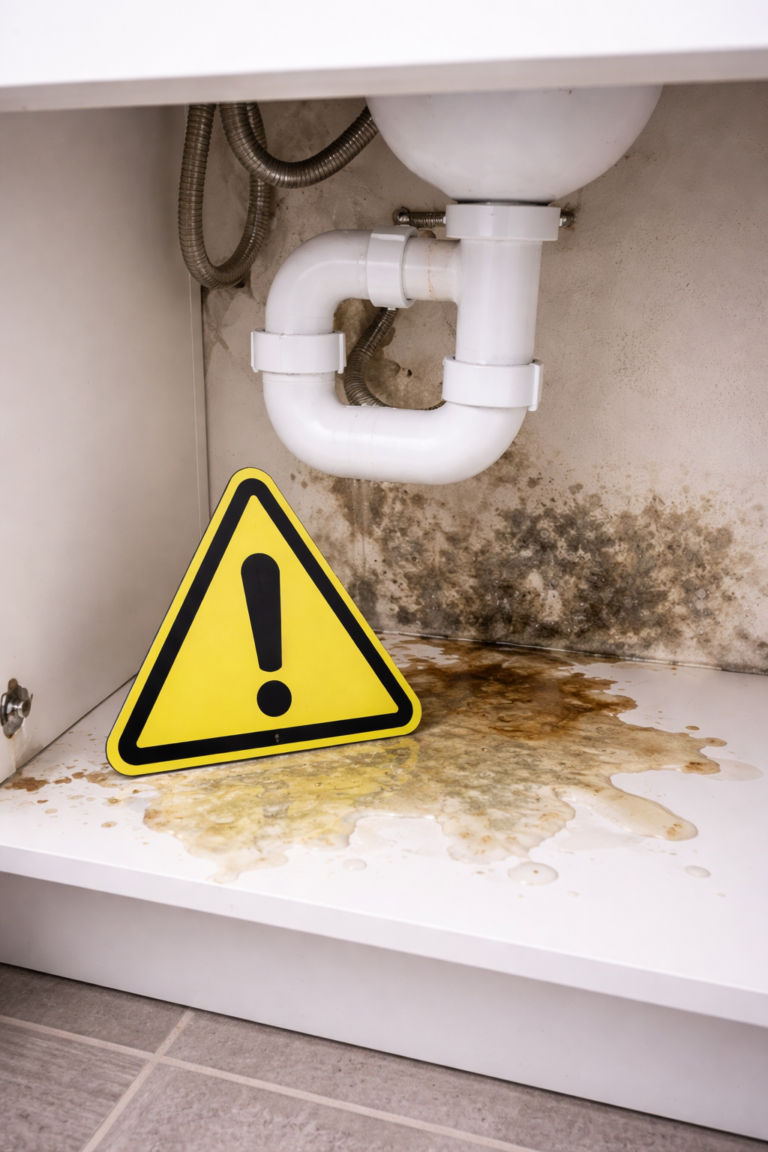
 Water Leak Warning Signs Every Household Should Know
Water Leak Warning Signs Every Household Should Know A visible burst pipe is easy to spot. A hidden leak is not. Many…
Read article → 🚿 Plumbing
 Low Water Pressure at Home: Common Causes and Next Steps
Low Water Pressure at Home: Common Causes and Next Steps Low water pressure can make showers weak, taps slow, and basic household…
Read article → 🚿 Plumbing
 Blocked Sink? What to Check Before Calling a Plumbe
Blocked Sink? What to Check Before Calling a Plumber A blocked sink is one of the most common problems at home. It…
Read article →