
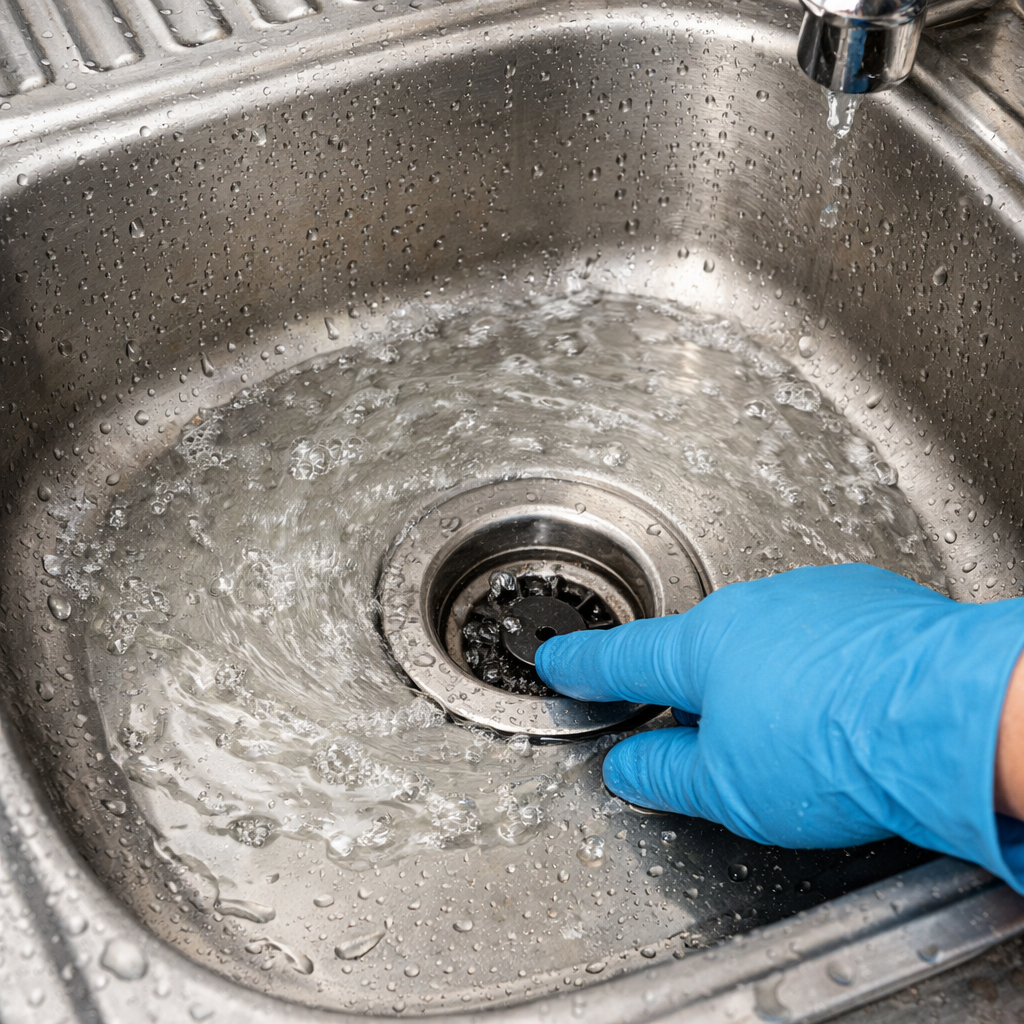
Blocked Sink? What to Check Before Calling a Plumber
A blocked sink is one of the most common problems at home. It can start slowly, with water draining more slowly than usual, and then suddenly become a complete blockage. The good news is that some sink problems are minor and can be handled safely. Others need professional attention before they cause leaks, smells, or pipe damage.
Here is what to check first.
Signs your sink is becoming blocked
You may notice:
- Water draining slowly
- Gurgling sounds after water goes down
- Bad smells coming from the plughole
- Water backing up into the sink
- Water rising in another nearby drain
If the problem has just started, you may be able to improve it with a few simple steps.
Safe things you can try first
1. Remove visible debris
Put on gloves and check the plug area for hair, grease, soap residue, food scraps, or other debris. If you can remove it easily by hand or with a simple sink tool, do that first.
2. Flush with hot water carefully
If the blockage seems mild, pour hot water into the sink in stages. This may help loosen grease or soap build-up. Avoid using boiling water on delicate pipework or if you are unsure what type of pipes you have.
3. Clean the sink trap if you know how
The trap under the sink often collects grease, food, and residue. Place a bucket underneath before loosening anything. If you are comfortable doing it, clean the trap and refit it properly.
4. Try a plunger
A sink plunger can help shift a simple blockage. Cover any overflow opening first so you get better pressure. Use steady, firm movements rather than aggressive force.
What not to do
Avoid these common mistakes:
- Do not mix chemical drain cleaners
- Do not keep forcing water if the sink is fully backed up
- Do not dismantle pipework if you are unsure how to reassemble it
- Do not ignore repeat blockages, as they can point to a deeper problem
Chemical cleaners may seem like an easy solution, but they can damage pipework, create fumes, and make later repairs harder.
When to call a plumber
You should get professional help if:
- The sink remains blocked after basic checks
- Water backs up repeatedly
- More than one drain is affected
- There is a bad smell that keeps returning
- You notice leaks under the sink
- The blockage keeps coming back
A recurring blockage often means the issue is further down the pipe system and needs proper tools to clear safely.
How to help the plumber fix it faster
Before the visit, try to note:
- When the problem started
- Whether it affects just one sink or several drains
- Whether the water drains slowly or not at all
- Whether there are smells, leaks, or unusual noises
That information helps the plumber understand whether it is likely to be a local blockage or part of a bigger drainage issue.
Final advice
A blocked sink is not always an emergency, but it should not be left too long. Small blockages can turn into leaks, smells, and water damage if they get worse. A few safe checks may be enough, but if the problem keeps returning, it is time to get it sorted properly.
FAQ
Can I use baking soda and vinegar?
It may help with very mild residue build-up, but it will not solve every blockage.
Why does my sink smell even when it drains?
There may be food debris, grease, or build-up in the trap or pipework.
Is a blocked sink always a plumbing emergency?
Not always, but if water is overflowing, multiple drains are affected, or there is a leak, it becomes more urgent.
More Plumbing tips
 🚿 Plumbing
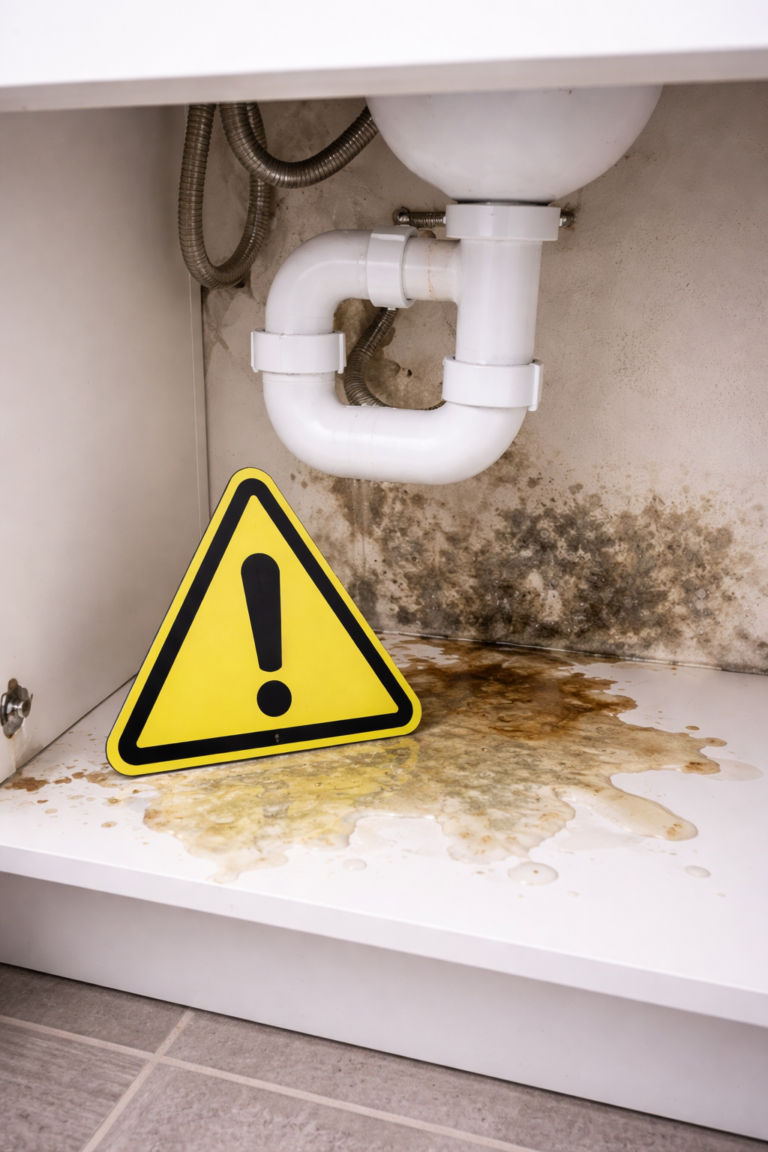
 Water Leak Warning Signs Every Household Should Know
Water Leak Warning Signs Every Household Should Know A visible burst pipe is easy to spot. A hidden leak is not. Many…
Read article → 🚿 Plumbing
 Low Water Pressure at Home: Common Causes and Next Steps
Low Water Pressure at Home: Common Causes and Next Steps Low water pressure can make showers weak, taps slow, and basic household…
Read article →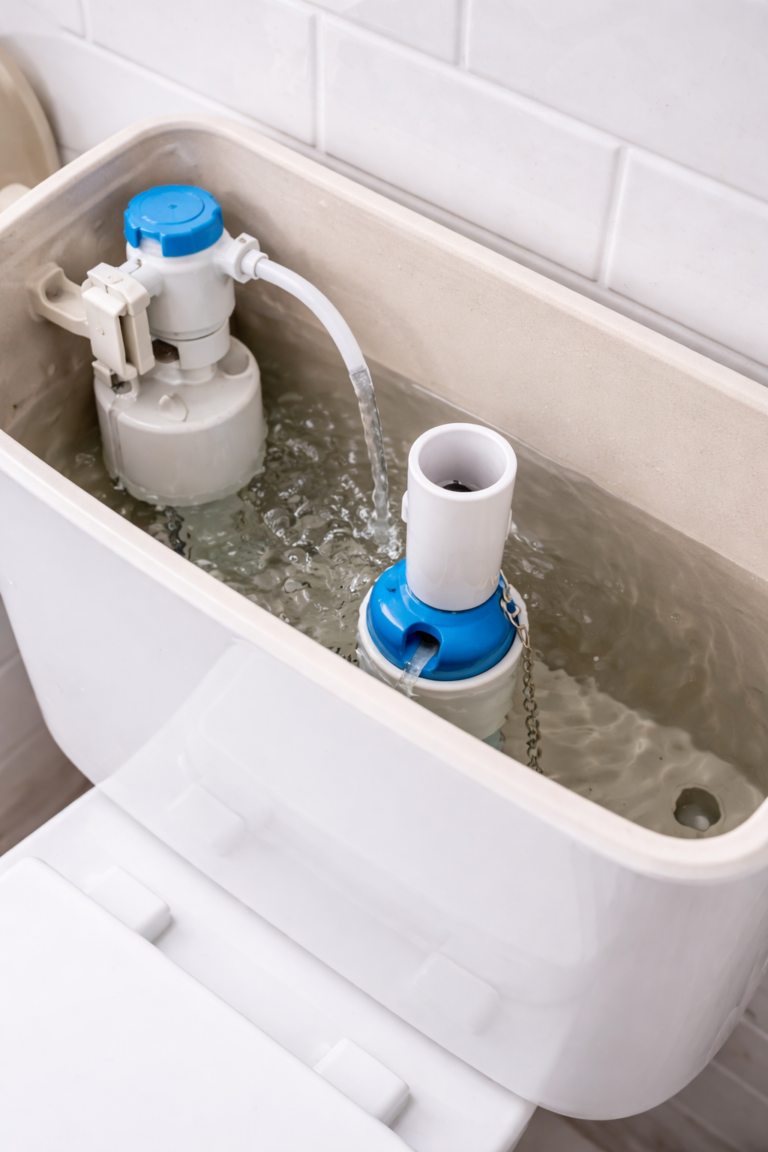 🚿 Plumbing
 Toilet Keeps Running? Likely Causes and What You Can Do
Toilet Keeps Running? Likely Causes and What You Can Do A toilet that keeps running is more than just an annoying sound.…
Read article →